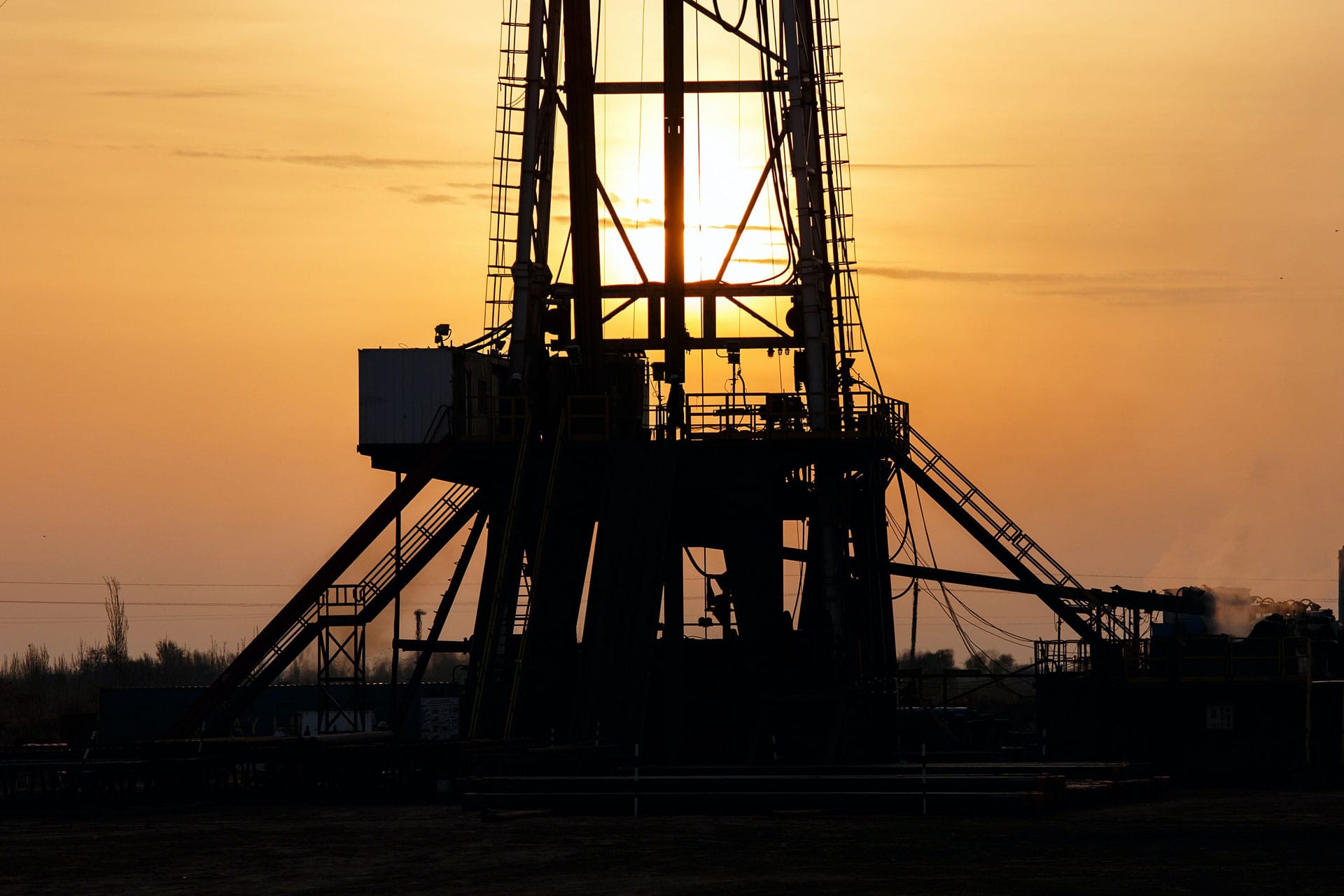
Calgary’s relationship with oil and natural gas extends far beyond the drilling rigs and producing fields found elsewhere in Alberta. While most oil and gas production occurs outside the city, Calgary remains the corporate centre where many of the industry’s biggest financial, engineering, investment, and strategic decisions are made.
Downtown Calgary is home to the headquarters and major offices of numerous Canadian energy companies. The city also supports a much larger network of engineering firms, technology companies, consultants, legal practices, financial institutions, and other businesses serving Alberta’s energy sector.
That concentration has made Calgary one of the most important energy business centres in North America.
Why Are So Many Oil and Gas Companies Based in Calgary?
The answer begins with geography.
Calgary sits close to some of Western Canada’s most important producing regions while providing the transportation, financial, professional, and technical infrastructure required by large corporations.
Alberta’s producing areas extend from the oil sands around Fort McMurray to conventional fields across central and southern Alberta and major natural gas developments in the northwest.
Companies do not need to place their corporate headquarters beside their producing wells. Calgary allows management teams to oversee operations throughout Western Canada from one major business centre.
Over decades, this created a powerful industry cluster.
As producers established offices in Calgary, engineering companies, banks, accounting firms, law firms, recruiters, software developers, and specialized consultants followed them.
Calgary Is Home to Major Canadian Energy Companies
Some of Canada’s best known oil and natural gas producers have their headquarters in Calgary.
These include companies such as Canadian Natural Resources, Suncor Energy, Cenovus Energy, Tourmaline Oil, ARC Resources, and Whitecap Resources.
Their operations can extend far beyond Calgary, but important corporate functions are concentrated in the city.
Those functions can include corporate strategy, finance, engineering, geology, acquisitions, regulatory affairs, marketing, investor relations, and executive management.
This means decisions made in Calgary offices can ultimately influence drilling and investment activity hundreds of kilometres away.
Downtown Calgary and the Energy Industry
The connection between downtown Calgary and Canada’s energy business is particularly visible in the city’s office towers.
Energy companies and businesses serving the sector occupy significant amounts of downtown office space.
This creates an ecosystem that is difficult for other Canadian cities to replicate.
A producer considering an acquisition, for example, may have access within the same city to petroleum engineers, reservoir specialists, energy lawyers, investment bankers, accountants, environmental consultants, and financing expertise.
That concentration of specialized knowledge is one of Calgary’s biggest competitive advantages.
Calgary Is More Than an Oil Company Headquarters City
The industry’s economic footprint extends far beyond producers themselves.
Hundreds of businesses provide products and professional services required to develop Alberta’s resources.
Calgary’s energy ecosystem includes:
- Engineering companies
- Environmental consultants
- Geological specialists
- Petroleum software companies
- Pipeline businesses
- Midstream companies
- Oilfield technology developers
- Energy investment firms
- Accounting companies
- Legal firms
- Recruitment agencies
- Equipment suppliers
- Safety consultants
Many field service businesses have operations in communities closer to drilling activity, but Calgary frequently remains an important location for their corporate, sales, engineering, or administrative teams.
The Relationship Between Calgary and Fort McMurray
Calgary and Fort McMurray perform very different roles within Alberta’s oil industry.
Fort McMurray is the operational centre of the Athabasca oil sands. The surrounding region contains enormous mining and in situ operations responsible for a substantial portion of Canada’s crude oil production.
Calgary, meanwhile, serves as a major corporate centre for companies that own and manage many energy assets.
A company can therefore have executives, engineers, and financial teams working in Calgary while thousands of employees and contractors operate facilities in northern Alberta.
The two cities are deeply connected economically despite being hundreds of kilometres apart.
Calgary’s Connection to the Montney
Another important relationship exists between Calgary and northwestern Alberta.
The Alberta portion of the Montney has attracted major investment in natural gas and liquids production.
Much of the physical activity occurs around communities such as Grande Prairie and other parts of northwestern Alberta.
Yet many companies developing these resources maintain their corporate headquarters or major offices in Calgary.
Engineers and geoscientists working in downtown Calgary can analyze drilling results from wells located hundreds of kilometres away, while field teams execute the actual drilling and completion programs.
Modern technology has made this relationship even stronger by allowing enormous amounts of operating information to be analyzed remotely.
Energy Jobs in Calgary Are Different From Field Jobs
When people think about careers in Alberta’s oil and gas industry, they often picture drilling rigs, heavy equipment, pipelines, or oil sands operations.
Those jobs are important, but Calgary supports another major category of energy employment.
Positions can include petroleum engineers, geologists, geophysicists, accountants, commodity traders, land professionals, software developers, environmental specialists, regulatory professionals, financial analysts, lawyers, and project managers.
As a result, someone can build an entire career in Alberta’s oil and gas industry without ever working on a drilling rig.
Calgary’s Energy Industry Is Changing
Calgary’s energy sector is not standing still.
Traditional oil and natural gas remain central to the city’s economy, but the expertise developed through decades of petroleum activity is increasingly being applied to other areas.
These include carbon capture and storage, hydrogen, geothermal development, methane reduction, emissions monitoring, energy software, automation, and other technologies.
Many of these emerging businesses benefit from the same engineering, geological, financial, and project management expertise developed through Alberta’s conventional energy industry.
Why Calgary’s Energy Cluster Matters
An industry’s strength is determined by more than the natural resources underground.
Companies also require capital, skilled workers, engineering expertise, technology, infrastructure, professional services, and experienced management.
Calgary brings many of these elements together in one location.
That is why the city continues to play such an important role in Canada’s energy sector even though relatively little oil or natural gas is actually produced within Calgary itself.
The wells may be drilled near Grande Prairie. Bitumen may be produced near Fort McMurray. Pipelines may cross hundreds of kilometres of Alberta countryside.
But many of the decisions about where to invest, what to drill, which assets to acquire, and how to finance the next project continue to be made in Calgary.
For anyone researching Alberta oil and gas companies, understanding Calgary’s role is essential. The city is not simply located near Canada’s energy industry. It remains one of the places where that industry is financed, engineered, managed, and shaped.