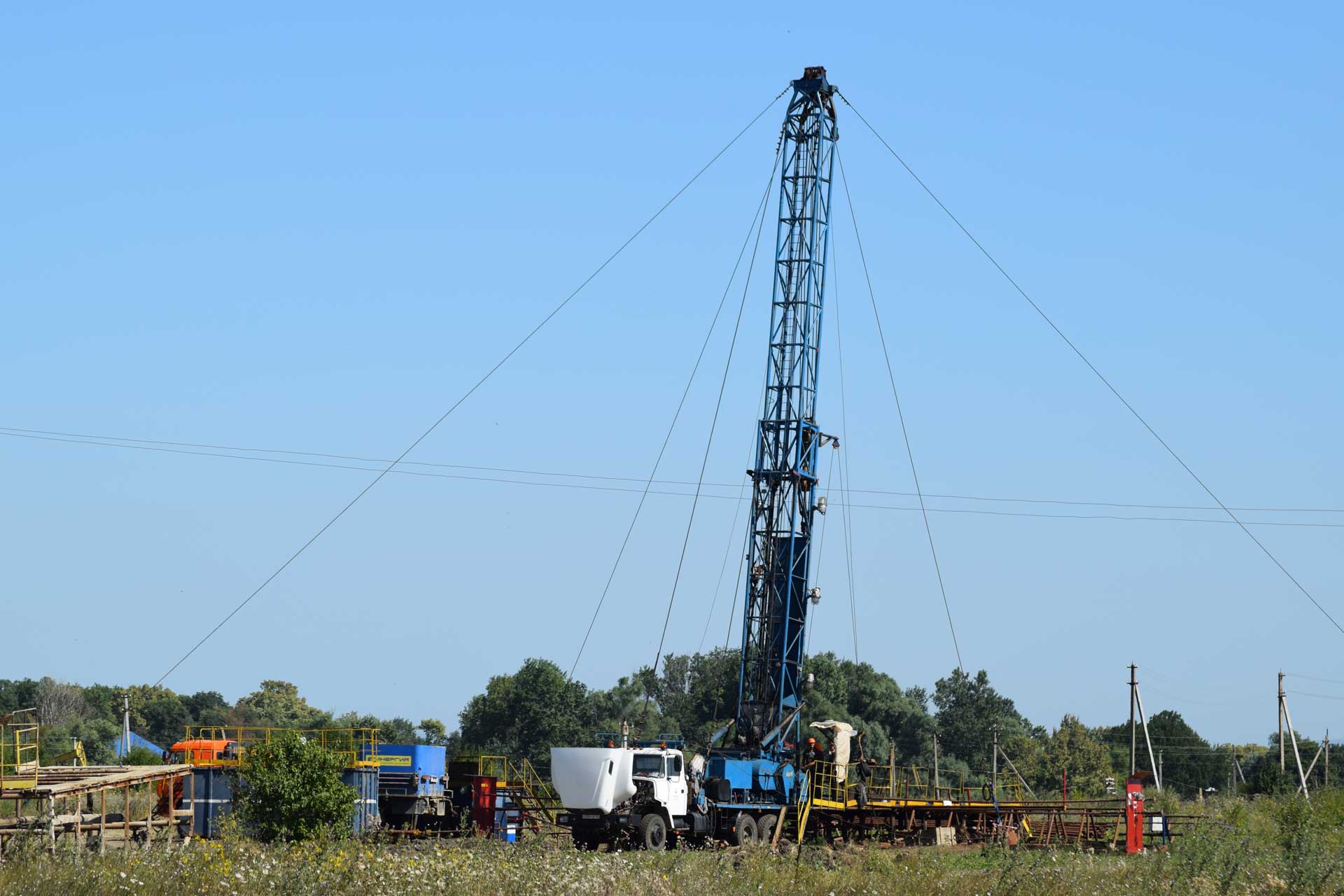
One of the most common questions people ask about Alberta’s energy industry is how much it costs to drill an oil or natural gas well.
The answer depends on several factors, including the location of the well, its depth, geology, completion design and the type of hydrocarbons being targeted. A shallow conventional oil well can cost a fraction of what is required to develop a modern horizontal Montney or Duvernay well.
While there is no single number that applies to every project, understanding the main costs involved provides a better picture of how Alberta’s energy industry operates.
What Determines the Cost of a Well?
Every drilling project is unique, but several major factors influence the total cost.
These include:
- Well depth
- Horizontal length
- Geological complexity
- Number of hydraulic fracturing stages
- Availability of drilling rigs
- Labour costs
- Steel prices
- Fuel prices
- Water management
- Environmental requirements
In general, deeper and more complex wells require more equipment, more time and larger budgets.
Conventional Wells
Conventional oil and gas wells are typically less expensive than large unconventional developments.
These wells often target reservoirs where oil or natural gas can flow more easily to the wellbore.
Although fewer conventional wells are drilled today than in previous decades, they continue to play an important role in Alberta’s energy industry.
Horizontal Wells
Most of Alberta’s major resource plays now rely on horizontal drilling.
Instead of drilling straight down, operators drill vertically before gradually turning the wellbore horizontally through the target formation.
A single horizontal section may extend for several kilometres underground.
While horizontal wells cost more to drill, they usually recover significantly more hydrocarbons over their lifetime.
Hydraulic Fracturing
For many unconventional wells, hydraulic fracturing represents one of the largest project expenses.
This process involves pumping water, sand and small amounts of additives into the reservoir at high pressure to create tiny fractures in the rock.
These fractures allow oil and natural gas to flow more easily into the well.
Modern wells may contain dozens of individual fracture stages completed over several days.
Beyond Drilling
Drilling the well is only part of the total investment.
Companies must also pay for:
- Road construction
- Lease preparation
- Pipelines
- Production equipment
- Storage facilities
- Gas processing
- Environmental monitoring
- Site reclamation
These additional costs are essential to safely bring production to market.
Why Drilling Costs Matter
Drilling costs directly affect whether a project is economically viable.
When oil or natural gas prices are low, companies often focus on drilling only their highest-quality locations.
When prices improve, additional drilling opportunities may become profitable.
This is one reason drilling activity tends to rise and fall with commodity prices.
Technology Is Reducing Costs
Today’s wells are generally drilled faster than they were ten years ago.
Energy companies continue investing in technologies such as:
- Automated drilling systems
- Real-time drilling analytics
- Improved drill bits
- Longer horizontal wells
- Optimized completion designs
- Artificial intelligence
These innovations help reduce drilling time while increasing production.
Alberta Remains Competitive
Despite market cycles, Alberta continues to attract billions of dollars in upstream investment.
Its experienced workforce, established infrastructure, world-class service sector and enormous resource base make it one of the most competitive oil and gas jurisdictions in North America.
As drilling technology continues to evolve, producers are expected to recover more oil and natural gas while improving operational efficiency and reducing costs.