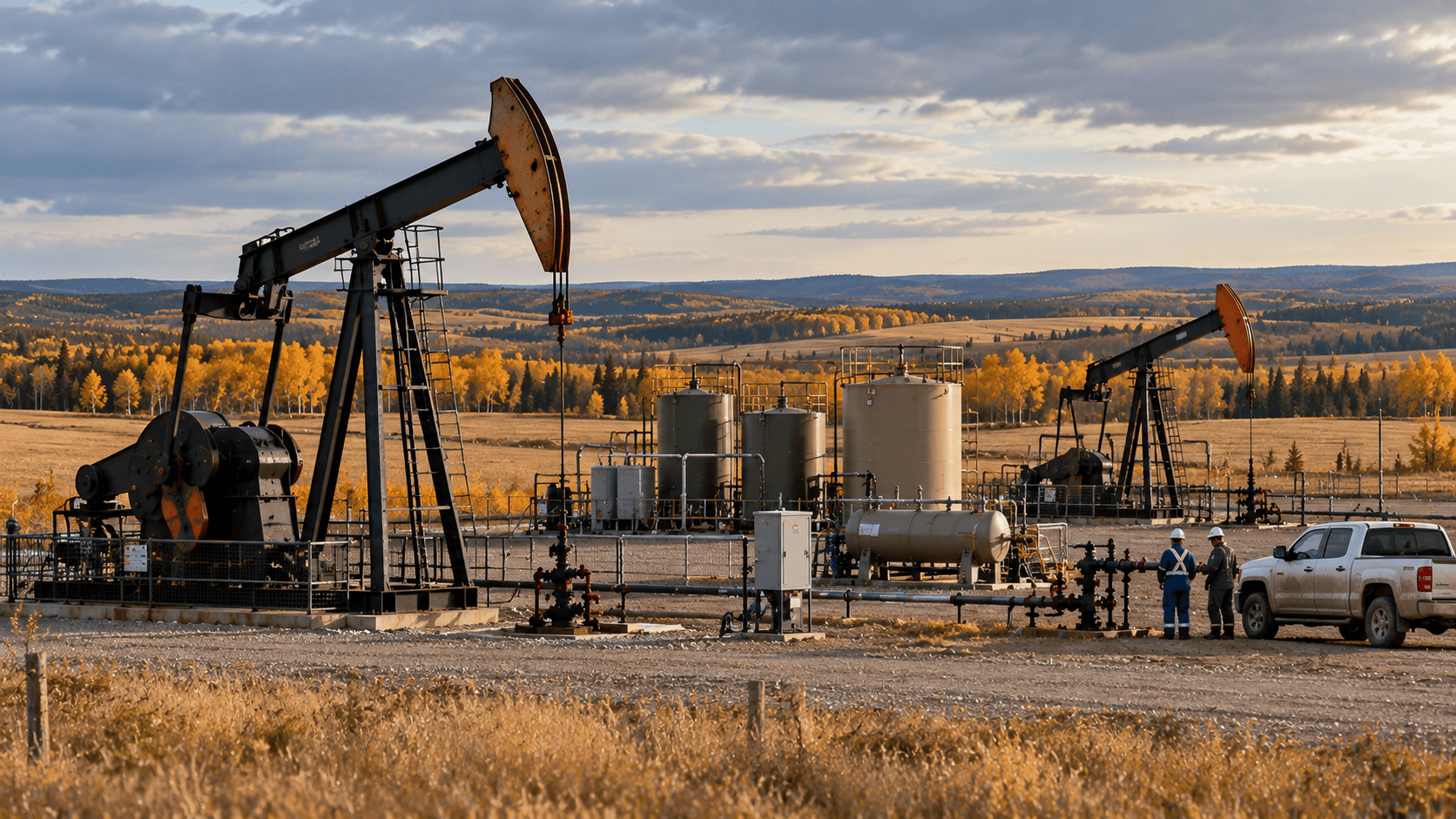
Some of the most interesting oil and gas development in Alberta comes from companies that rarely receive the attention given to major producers.
While large corporations operate extensive oil sands facilities and natural gas processing networks, smaller companies are developing light oil reservoirs, acquiring mature producing properties, drilling heavy oil wells and exploring formations that larger operators may have overlooked.
These businesses form an important part of Alberta’s petroleum industry.
Junior oil and gas companies often concentrate on a relatively small number of producing areas. Some operate only a few hundred barrels of oil equivalent per day, while others have expanded into much larger businesses through successful drilling programs and acquisitions.
Their operations support drilling contractors, service rig companies, pipeline businesses, equipment rental suppliers, environmental consultants and numerous other Alberta oilfield service providers.
Many are headquartered in Calgary but operate producing wells around Red Deer, Drayton Valley, Whitecourt, Fox Creek, Slave Lake, Lloydminster and Grande Prairie.
The industry is also changing rapidly.
Some junior producers are expanding through horizontal drilling. Others are acquiring existing wells and infrastructure. Several have been purchased by larger businesses or combined with other producers.
This guide examines 16 junior, emerging and smaller independent oil and gas companies with operating assets in Alberta.
It explains what the companies produce, where their principal assets are located and how their businesses are developing.
The list includes publicly traded companies and privately owned producers. Some have grown beyond what investors traditionally consider junior size, but remain useful examples of independent companies developing Alberta petroleum resources.
The businesses are not ranked by financial performance, production growth or investment potential.
What Is a Junior Oil and Gas Company?
A junior oil and gas company is generally a smaller business involved in exploring for, developing or producing petroleum resources.
There is no single official Alberta production threshold that determines whether a company is a junior producer.
The term is often used for businesses with relatively modest production, smaller market capitalizations and concentrated operating areas.
A junior company may begin by acquiring a small collection of producing wells.
It might then identify opportunities to drill new wells, improve production from existing reservoirs or acquire additional assets.
Some juniors concentrate on one geological formation.
Others acquire mature properties that larger companies no longer consider central to their operations.
Junior companies also differ in ownership.
Many trade on the TSX Venture Exchange or Toronto Stock Exchange.
Others are privately owned and financed by management teams, institutional investors or energy investment funds.
A company does not necessarily stop being called a junior the moment its production increases, but larger independent producers are often better described as emerging or intermediate companies.
That distinction is important when comparing businesses of very different sizes.
Publicly Traded Junior Oil and Gas Companies in Alberta
The following companies provide examples of smaller publicly traded producers developing petroleum resources in Alberta.
Their operations range from shallow conventional wells to horizontal drilling programs and enhanced oil recovery projects.
1. Lotus Creek Exploration
Lotus Creek Exploration is a Calgary headquartered junior oil and natural gas producer listed on the TSX Venture Exchange under the symbol LTC.
The company has become an important example of a smaller Alberta producer growing through a concentrated light oil drilling program.
Its primary development area is Wilson Creek in Central Alberta.
Lotus Creek also holds heavy oil opportunities in the Tucker Lake area.
Wilson Creek Belly River Development
Wilson Creek is the centre of Lotus Creek’s current growth strategy.
The company drills horizontal wells into the Belly River formation.
These wells produce light oil, associated natural gas liquids and natural gas.
Rather than expanding into several unrelated regions, Lotus Creek has concentrated much of its recent investment in developing the geological intervals and production infrastructure around Wilson Creek.
This approach allows the company to use geological information from existing wells when planning additional drilling.
During 2025, Lotus Creek commissioned a new oil battery at Wilson Creek.
The facility provides infrastructure for handling production from nearby wells.
In September 2026, the company announced that it had completed its planned Wilson Creek Belly River drilling program for the year.
It reported corporate production exceeding approximately 5,500 barrels of oil equivalent per day at that time.
Why Lotus Creek Is Worth Following
Lotus Creek illustrates how a junior producer can grow rapidly when several productive wells are developed close to existing infrastructure.
However, drilling success can also create new challenges.
By September, the company reported that its Wilson Creek oil battery had reached approximately its designed production capacity.
Lotus Creek was evaluating ways to improve throughput and remove infrastructure constraints.
That distinction matters because drilling productive wells does not automatically mean all available production can immediately reach the market.
For Alberta contractors, the company represents an example of junior development involving horizontal drilling, hydraulic fracturing, production facilities and gathering systems.
2. Westgate Energy
Westgate Energy is a Calgary based junior heavy oil producer listed on the TSX Venture Exchange under the symbol WGT.
The company is focused on the Mannville Stack in eastern Alberta.
Its principal development area is Beaverdam.
Westgate is considerably smaller than Alberta’s major heavy oil producers, making it a useful example of a junior business attempting to build production through targeted drilling.
Beaverdam Heavy Oil Production
Westgate develops heavy oil reservoirs using horizontal wells.
The Mannville Stack contains several geological intervals that can provide development opportunities.
The company has been concentrating on understanding the reservoir and improving the economics of its producing wells.
During late 2025, Westgate brought additional horizontal wells into production.
The company continued optimizing those wells during 2026.
In the second quarter of 2026, Westgate reported average production of approximately 610 barrels of oil equivalent per day.
The company subsequently reported higher current production following additional operational improvements.
Facility Improvements
Westgate commissioned a tank treating facility at Beaverdam in early 2026.
The facility is designed to improve handling of produced fluids and sand.
Sand production can create challenges in heavy oil operations.
It can increase equipment wear, complicate fluid handling and create additional disposal expenses.
Westgate reported that its new facility helped reduce some of these costs while recovering additional saleable oil.
The company also acquired nearby natural gas wells with the intention of using gas for its field operations.
This is a practical example of how a smaller producer can improve economics without depending entirely on drilling more wells.
Westgate’s business centres on developing a relatively concentrated heavy oil asset while improving its operating infrastructure.
3. Decimus Oil Corp.
Decimus Oil Corp. is a Calgary headquartered junior oil and natural gas company trading on the TSX Venture Exchange under the symbol WCSB.
The company focuses on conventional petroleum properties in Southern Alberta.
Its operating strategy involves acquiring, optimizing and developing assets in the Mannville formation and other conventional reservoirs.
Formerly Tenth Avenue Petroleum
Decimus was previously known as Tenth Avenue Petroleum.
The company changed its name in October 2025.
The change was intended to reflect its greater emphasis on building a conventional oil and natural gas business in Southern Alberta.
Tenth Avenue Petroleum and Decimus should therefore not be counted as two separate current producers.
Southern Alberta Properties
Decimus has interests in producing areas such as Hays, Eyremore, Murray Lake, Patricia and Vulcan.
Its portfolio includes oil and natural gas properties.
The company has described opportunities within the Lower Mannville and other producing intervals.
Some of these properties contain established wells and production infrastructure.
Others provide potential locations for additional drilling.
Decimus has used acquisitions to expand its operating interests.
The company also evaluates opportunities to increase production from existing wells.
Conventional Development Strategy
Decimus differs from a producer developing a large Montney horizontal drilling program.
Its business focuses on smaller conventional producing assets where acquiring existing infrastructure and developing additional wells may provide opportunities for growth.
Such properties can be attractive to smaller companies because they may require less capital per project than deep unconventional wells.
However, conventional assets still have maintenance requirements and abandonment obligations.
Decimus represents a junior producer pursuing opportunities in Southern Alberta’s mature petroleum industry.
4. Prairie Provident Resources
Prairie Provident Resources is a Calgary headquartered oil and natural gas producer trading on the Toronto Stock Exchange under the symbol PPR.
The company focuses on conventional petroleum assets in Alberta.
Its operations include producing areas such as Princess and Michichi.
Prairie Provident’s strategy has increasingly emphasized improving the performance of existing wells and facilities.
Princess and Michichi Operations
Prairie Provident produces crude oil, natural gas and natural gas liquids.
The company has developed conventional reservoirs using different well configurations, including horizontal drilling.
Princess is an important operating area for the business.
Michichi also provides production and additional development opportunities.
These properties are associated with established petroleum infrastructure.
In January 2026, Prairie Provident reported successful drilling and completion work involving a multilateral Ellerslie well in the Princess area.
A Focus on Production Optimization
Prairie Provident’s second quarter 2026 results provide a useful example of a junior producer operating through a period of restrained spending.
The company reported average production of approximately 2,153 barrels of oil equivalent per day.
Rather than conducting an extensive new drilling program during the first half of the year, Prairie Provident focused on well and facility optimization.
This work can involve restoring existing production, improving equipment performance and reducing operating problems.
It is less visible than a drilling campaign but can be important to the economics of a small producer.
Prairie Provident demonstrates how junior companies can focus on maintaining cash flow and managing mature assets rather than pursuing rapid growth every year.
5. Hemisphere Energy
Hemisphere Energy is a Canadian junior oil producer trading on the TSX Venture Exchange under the symbol HME.
The company specializes in conventional heavy oil production and enhanced oil recovery.
Its Alberta operations are concentrated at Atlee Buffalo.
Hemisphere also has producing assets in Saskatchewan.
Atlee Buffalo Heavy Oil
Atlee Buffalo is located in southeastern Alberta.
The property produces heavy oil from conventional reservoirs.
Hemisphere has developed polymer flooding projects designed to improve recovery.
Polymer flooding involves adding selected polymers to injected water to improve how the water moves through the reservoir.
Under suitable conditions, the method can help displace additional oil toward producing wells.
This type of development differs from drilling large numbers of new wells.
It places greater emphasis on understanding the existing reservoir and improving recovery from established production.
An Important Operational Disruption in 2026
Hemisphere experienced a significant incident at its Atlee Buffalo operation in August 2026.
A fire damaged the company’s largest oil battery.
The incident was contained, and the company reported no injuries.
However, the facility damage interrupted a substantial portion of Hemisphere’s production.
In September, Hemisphere reported that its priority was restoring electrical systems and replacing damaged equipment.
The company was evaluating a phased return to production.
Its published plans anticipated that partial production could resume before the end of November, with full restoration expected during the first quarter of 2027.
Those dates represented management expectations rather than completed repairs.
Hemisphere’s experience illustrates a risk faced by smaller producers.
When a substantial portion of production depends on one processing facility, an unexpected outage can materially affect the entire business.
6. Lycos Energy
Lycos Energy is a Calgary headquartered oil producer trading on the TSX Venture Exchange under the symbol LCX.
The company focuses on developing conventional oil reservoirs using horizontal drilling.
Its principal operating areas include Moonshine, Wildmere and Greater Provost in eastern Alberta.
Lycos has used acquisitions and focused drilling programs to expand its asset base.
Moonshine Development
Moonshine is one of Lycos’s most important producing areas.
The company drills horizontal wells targeting formations within the Mannville group.
Its development includes the General Petroleum and Sparky formations.
Lycos has been using pad based drilling to reduce the cost of constructing additional wells.
During the second quarter of 2026, it drilled and completed several Moonshine wells, bringing them into production near the end of the quarter.
The company also reported development activity around Wildmere.
Growing Through Acquisitions
Lycos expanded its business through transactions involving additional producing assets in the Greater Provost area.
The company reported current production of approximately 3,600 barrels of oil equivalent per day in its August 2026 operating update.
Most of that production consisted of crude oil.
Lycos provides an example of a junior producer building a business around smaller conventional reservoirs and specialized well designs.
Rather than pursuing very deep drilling, it concentrates on improving the productivity and costs of horizontal wells in established oil producing regions.
The company’s operations support drilling, artificial lift, road construction and production maintenance work in eastern Alberta.
7. Rubellite Energy
Rubellite Energy is a Calgary based oil producer focused on heavy oil development in Alberta.
The company trades on the Toronto Stock Exchange under the symbol RBY.
Rubellite has developed an extensive portfolio of producing properties and exploration opportunities.
Its principal operating areas include Figure Lake, Frog Lake and Marten Hills.
Figure Lake Clearwater
Figure Lake is one of Rubellite’s most important assets.
The company produces heavy oil from the Clearwater formation using multilateral horizontal wells.
These wells can have several branches extending from a main wellbore.
The design allows the producer to reach more of the reservoir from a limited number of surface locations.
Rubellite has invested in drilling additional wells at Figure Lake and extending its understanding of the productive formation.
The company has also been evaluating enhanced recovery methods.
During 2026, its plans included waterflood and polymer pilot projects intended to test whether additional oil can be recovered after primary production.
Frog Lake and Other Properties
Rubellite also operates heavy oil assets at Frog Lake.
The company targets formations such as the Waseca and other Mannville intervals.
Rubellite’s development strategy combines drilling new wells with improving recovery from existing properties.
Although it has grown beyond the smallest junior producer category, it remains an important example of an independent company developing Alberta’s heavy oil resources.
Its operations are particularly relevant to northern Alberta drilling contractors and companies supplying artificial lift, water handling and fluid transportation equipment.
Growing Independent Producers With Alberta Operations
The following businesses are generally larger than the smallest junior producers.
However, they remain useful examples of independent exploration and production companies operating below the scale of Alberta’s largest integrated energy corporations.
Their development programs can be significant sources of work for regional oilfield service companies.
8. Yangarra Resources
Yangarra Resources is a Calgary headquartered producer trading on the Toronto Stock Exchange under the symbol YGR.
The company focuses on oil and natural gas development in Central Alberta.
Its principal operating areas include O’Chiese, Willesden Green, Ferrier, Chambers and neighbouring properties.
Yangarra produces light oil, natural gas and natural gas liquids.
Cardium and Belly River Development
Yangarra is an established Cardium producer.
The Cardium has a long history of oil and natural gas production in Alberta.
Modern horizontal drilling and hydraulic fracturing have allowed companies to develop additional opportunities within the formation.
Yangarra has also expanded into the Belly River.
The company has been evaluating new drilling and completion approaches to improve well performance.
During the second quarter of 2026, Yangarra drilled Belly River wells in its Chambers area.
It also conducted additional Cardium drilling in O’Chiese and Ferrier.
Wet field conditions delayed some completion and equipment installation work during the quarter.
Yangarra subsequently brought additional wells into production.
A Concentrated Alberta Operator
Yangarra’s operations provide exposure to several established geological formations within a relatively concentrated part of Alberta.
The company owns infrastructure and operates producing wells that require regular maintenance.
Its development strategy combines new drilling with production optimization.
Yangarra is an example of a company that began as a junior producer and developed into a more substantial independent Alberta operating business.
9. Petrus Resources
Petrus Resources is a Calgary headquartered oil and natural gas company trading on the Toronto Stock Exchange under the symbol PRQ.
The company focuses on Alberta production.
Its principal development areas include Ferrier and Harmattan.
Petrus produces natural gas, crude oil, condensate and other natural gas liquids.
Ferrier Operations
Ferrier is an important part of Petrus’s business.
The company has drilled horizontal wells targeting natural gas and liquids producing formations.
Its operations benefit from established gathering and processing infrastructure in the broader region.
Petrus has continued developing new wells while improving production from its existing properties.
Harmattan Development
Harmattan is another important operating area.
The company has expanded its asset position and continued bringing new wells into production.
Petrus reported that production increased during the summer of 2026 following additional Harmattan and Ferrier well activity.
Its July operating update showed production averaging approximately 12,000 barrels of oil equivalent per day, with further volumes added during August.
Those figures illustrate that Petrus is now more appropriately described as a growing independent producer than a very small junior.
The company also publishes monthly operating updates, making it easier to follow its development activities than many privately owned producers.
For contractors in Central Alberta, Petrus represents a business involved in ongoing drilling, completion and production work.
10. Journey Energy
Journey Energy is a Calgary headquartered oil and natural gas producer trading on the Toronto Stock Exchange under the symbol JOY.
The company has a portfolio of conventional Alberta production and development interests in the Duvernay.
Journey’s business model combines established producing fields with newer development opportunities.
Conventional Alberta Production
Journey operates oil and natural gas properties throughout Central and Southern Alberta.
Its producing areas include Medicine Hat, Skiff, Matziwin and other established fields.
Some of these properties use enhanced oil recovery methods.
Waterflooding and polymer flooding can help improve recovery from mature reservoirs.
These projects provide production from existing infrastructure while requiring ongoing reservoir management and maintenance.
Duvernay Light Oil Development
Journey has also invested in the Duvernay through a joint venture.
The company participates in horizontal drilling programs that target light oil and associated natural gas liquids.
During 2026, Journey expanded its participation in Duvernay development.
Several new wells entered production during the second quarter.
Additional wells were drilled or scheduled for completion later in the year.
Journey reported quarterly production averaging approximately 10,000 barrels of oil equivalent per day in the second quarter.
The company has also been developing electricity generation projects associated with its energy assets.
Journey provides an example of a smaller independent producer using cash flow from conventional fields to participate in more capital intensive unconventional development.
11. InPlay Oil
InPlay Oil is a Calgary headquartered light oil and natural gas producer trading on the Toronto Stock Exchange under the symbol IPO.
The company has operations throughout the Western Canadian Sedimentary Basin, with important assets in Alberta.
Its principal development areas include Pembina and other Central Alberta producing regions.
The Cardium is particularly important to InPlay.
Pembina Cardium Development
InPlay operates horizontal wells targeting the Cardium formation.
The company uses hydraulic fracturing to improve production from suitable reservoirs.
During the second quarter of 2026, InPlay continued drilling and completing Cardium wells.
The company reported average quarterly production of approximately 18,663 barrels of oil equivalent per day.
Natural gas liquids and crude oil accounted for most of its production.
Belly River Acquisition
InPlay also expanded through acquisitions.
In August 2026, the company completed the purchase of a privately owned oil and gas producer with assets in the Belly River.
The acquired production was weighted toward light oil and natural gas liquids.
The transaction added producing wells and additional potential drilling locations.
InPlay reported that the acquisition increased total corporate production to approximately 20,100 barrels of oil equivalent per day.
At that size, InPlay is better described as an intermediate or growing independent producer than a small junior.
However, it remains relevant to the development of smaller Alberta oil companies because much of its growth has come from acquisitions and focused horizontal drilling.
12. Pine Cliff Energy
Pine Cliff Energy is a Calgary based natural gas producer trading on the Toronto Stock Exchange under the symbol PNE.
The company operates mature natural gas properties across Alberta and Saskatchewan.
Its Alberta assets include production associated with the Edson, Caroline, Ghost Pine and Southern Alberta regions.
Pine Cliff’s strategy differs significantly from that of many oil focused junior producers.
Rather than concentrating primarily on new horizontal drilling, it manages a substantial inventory of established natural gas wells.
Conventional Natural Gas Production
Pine Cliff has acquired mature natural gas assets and focused on maintaining production.
These properties require gathering systems, compression equipment, well servicing and facility maintenance.
Conventional gas wells can remain productive for many years, although production generally declines over time.
The company also evaluates new drilling opportunities where the expected economics justify additional investment.
Pine Cliff has been developing wells targeting the Glauconite formation.
In the second quarter of 2026, the company reported production averaging approximately 19,747 barrels of oil equivalent per day.
Because of its production scale, Pine Cliff is better considered an established smaller independent producer than a traditional junior.
Its inclusion illustrates a different type of Alberta oil and gas business: a natural gas focused operator concentrating on existing infrastructure and selected development opportunities.
Privately Owned and Emerging Alberta Oil and Gas Producers
Some of Alberta’s active independent producers are not listed on a public stock exchange.
These businesses may be financed through private equity, institutional investors or private shareholder groups.
They can be difficult to compare because they generally provide less public financial information than listed companies.
However, their drilling programs, acquisitions and production facilities can still generate substantial oilfield service activity.
13. Acerta Energy
Acerta Energy is a privately owned Calgary based producer established in 2026.
The company focuses on conventional light oil and natural gas assets in Western Canada.
Its growth strategy involves acquiring existing production and developing additional drilling opportunities.
Acerta is backed by energy investment capital and has a commercial relationship with Trafigura.
Conventional Light Oil Development
Acerta’s first major acquisition established a substantial operating position in Alberta’s conventional light oil regions.
The properties include opportunities for horizontal drilling and production optimization.
The company has emphasized formations with established production histories and nearby infrastructure.
These can provide opportunities to develop additional wells without constructing an entirely new network of major facilities.
Acerta Acquired Astara Energy
On September 28, 2026, Acerta completed its acquisition of Astara Energy.
The transaction added producing assets across Southern and Central Alberta and the Peace River Arch.
Acerta reported that the combination increased its corporate production to approximately 13,500 barrels of oil equivalent per day at closing.
The acquired properties also included producing infrastructure and waterflood projects.
Astara had operated as a privately owned Alberta junior producer before the acquisition.
Its assets are now part of Acerta.
Astara should therefore not be counted as a separate independent producer following the completed transaction.
Acerta provides a recent example of a private company building an Alberta production business through acquisitions rather than relying exclusively on discovering new reservoirs.
14. Parallax Energy
Parallax Energy Operating is a privately owned Calgary based oil and natural gas producer.
The company operates in Alberta’s Duvernay development region.
Its principal business involves light oil production and unconventional horizontal drilling.
Parallax was previously associated with the Vesta Energy name.
In December 2024, Vesta Energy amalgamated with Parallax Energy Operating, with the combined business continuing under the Parallax name.
Duvernay Light Oil Operations
Parallax develops properties in the East Duvernay.
These reservoirs can produce light oil, natural gas and associated liquids.
Development requires horizontal drilling and hydraulic fracturing.
The company has been involved in drilling operations and regulatory applications associated with the Duvernay in Central Alberta.
Partnership With Northern Oil and Gas
In May 2026, Northern Oil and Gas announced an agreement to acquire a minority nonoperated interest in Duvernay assets operated by Parallax.
The proposed arrangement involved a 25% interest and a long term development relationship.
Parallax was identified as the operator of the assets.
This distinction is important.
A company can own part of a petroleum asset without operating the wells.
The operator typically manages the field development and many of the contracts required to construct and maintain the wells.
Parallax is an example of a privately financed Alberta producer developing a specialized unconventional oil play.
Its work can involve drilling contractors, fracturing crews, pipeline construction and production facility services.
15. Cygnet Energy
Cygnet Energy is a privately owned oil and natural gas company headquartered in Calgary.
The business is backed by energy investment funds and focuses on resource development in Western Canada.
Its Alberta assets include properties in the Simonette and Placid regions.
These areas contain Montney and Duvernay opportunities.
Simonette and Placid Operations
Cygnet develops natural gas, condensate and other liquids producing reservoirs.
The company has focused on properties where existing infrastructure and geological knowledge can support further development.
Its business involves horizontal drilling, hydraulic fracturing and the operation of production infrastructure.
Cygnet has also expanded through acquisitions.
Cygnet Acquired Kiwetinohk Energy
On December 18, 2025, Cygnet completed its acquisition of Kiwetinohk Energy.
Kiwetinohk had been a publicly traded producer with major Alberta Montney and Duvernay assets.
The acquisition combined those assets with Cygnet’s existing operations.
Kiwetinohk is therefore no longer a separate publicly traded producer.
Its assets are now part of the privately owned Cygnet business.
This is an important example of a junior or intermediate producer leaving the public market through a corporate acquisition.
Cygnet has grown into a more substantial private operator.
It should not be compared directly with the smallest juniors, but its development strategy illustrates the role private capital plays in Alberta’s oil and natural gas industry.
16. Spur Petroleum
Spur Petroleum is a privately owned Calgary based oil and natural gas producer.
The company focuses on heavy oil development in northern Alberta.
Its principal interest is the Clearwater.
Spur uses horizontal drilling to develop suitable heavy oil reservoirs.
Clearwater Heavy Oil Production
The Clearwater has become one of Alberta’s most important regions for modern heavy oil drilling.
Some Clearwater reservoirs can produce without steam injection.
Companies use horizontal and multilateral wells to reach large areas of the formation.
Spur has developed producing properties using these approaches.
The company also owns infrastructure associated with its field operations.
Its business requires drilling rigs, artificial lift systems, fluid handling equipment and ongoing production maintenance.
McMullen Thermal Pilot Proposal
Spur has also pursued a proposed thermal heavy oil project in the McMullen area.
The project involves evaluating the use of thermal recovery methods to produce bitumen.
This approach differs from conventional Clearwater primary production.
Spur submitted regulatory applications related to the McMullen proposal during 2026.
However, the proposed development should not be described as an operating new thermal facility simply because applications have been submitted.
Regulatory approval, investment decisions and construction would be required before the project could enter production.
Spur’s operations demonstrate how privately owned Alberta producers can develop existing heavy oil assets while also evaluating alternative recovery technologies.
Where Do Junior Oil and Gas Companies Operate in Alberta?
Junior companies are active throughout Alberta, although several regions are particularly important.
Unlike some major producers, many smaller businesses focus on one or two producing areas.
That makes the location of their assets an important part of understanding what they do.
Junior Oil Companies in Central Alberta
Central Alberta contains numerous conventional light oil and natural gas reservoirs.
Producing regions include Wilson Creek, Ferrier, Harmattan, O’Chiese, Willesden Green and the broader Drayton Valley area.
Companies with important assets in these regions include Lotus Creek, Yangarra, Petrus, Journey, InPlay and Prairie Provident.
Some develop the Belly River.
Others focus on the Cardium, Duvernay or conventional Mannville formations.
These producers support activity involving horizontal drilling, hydraulic fracturing, well servicing and production infrastructure.
Junior Oil Companies Near Lloydminster and Provost
Eastern Alberta has a long history of conventional oil and heavy oil production.
Companies such as Lycos and Acerta have assets associated with the Greater Provost region and other conventional producing areas.
Decimus is active farther south in Alberta’s conventional petroleum fields.
These businesses often rely on existing infrastructure and relatively targeted drilling programs.
The region also supports extensive work involving artificial lift and production maintenance.
Clearwater Junior Producers Near Slave Lake
Northern Alberta’s Clearwater development has attracted several independent producers.
Rubellite and Spur are examples of businesses operating in the broader Clearwater region.
Other, larger Clearwater companies include Tamarack Valley, Headwater Exploration and Baytex.
These businesses are not all junior companies today.
However, the region illustrates how improvements in horizontal drilling have created opportunities for different sizes of producers.
Marten Hills, Figure Lake, Nipisi and nearby areas have become important locations for heavy oil development.
Junior Natural Gas Producers in West Central Alberta
West Central Alberta contains extensive conventional and unconventional natural gas production.
Pine Cliff operates mature conventional natural gas assets.
Petrus has producing properties at Ferrier and Harmattan.
Cygnet develops Montney and Duvernay resources in the Simonette and Placid regions.
The mix of conventional and unconventional reservoirs provides opportunities for different business models.
Some producers emphasize existing wells and infrastructure.
Others invest in new drilling and large completion programs.
Southern Alberta Junior Oil and Gas Companies
Southern Alberta contains mature oil and natural gas fields that can be suitable for smaller producers.
Decimus has conventional oil and natural gas properties in the region.
Prairie Provident operates properties including Princess.
Hemisphere has its Atlee Buffalo heavy oil development in southeastern Alberta.
Some smaller companies concentrate on improving production from wells drilled many years ago.
Others use modern horizontal drilling to reach formations that were not developed extensively by earlier operators.
How Junior Oil and Gas Companies Grow
Growth in the junior oil and gas industry can occur in several ways.
The strategy depends on available capital, geological opportunities and commodity prices.
Drilling New Wells
Some juniors concentrate on developing new wells in a relatively small area.
Lotus Creek’s Wilson Creek program is one example.
The company has used horizontal drilling to expand production while developing the facilities needed to handle new volumes.
This approach can generate rapid growth when wells perform well.
However, it also requires substantial capital and exposes the company to drilling and completion risks.
Buying Existing Oil and Gas Assets
Acquisitions are another common growth strategy.
A smaller company may purchase producing wells and associated infrastructure from another operator.
Acerta’s acquisition of Astara is a recent example.
The acquired assets provided immediate production and additional development opportunities.
However, acquisitions also bring operating costs, maintenance requirements and potential abandonment liabilities.
A low purchase price does not necessarily make an asset a good investment.
Improving Mature Wells
Some companies concentrate on existing wells rather than extensive new drilling.
Prairie Provident and Pine Cliff are examples of producers emphasizing operating efficiency and production management.
This can involve replacing equipment, optimizing artificial lift, modifying compression systems or performing workovers.
These improvements may increase production or reduce operating costs without the expense of constructing an entirely new well.
Enhanced Oil Recovery
Other companies seek to recover additional oil from existing reservoirs.
Rubellite has been evaluating waterflooding and polymer recovery pilots.
Hemisphere has an established polymer flood business at Atlee Buffalo.
Enhanced oil recovery can extend the productive life of suitable fields.
However, these methods require reservoir evaluation, infrastructure and ongoing monitoring.
The results depend on the geology and characteristics of the reservoir.
What Services Do Alberta Junior Oil and Gas Companies Hire?
Junior producers can be important customers for independent oilfield service companies.
Their projects are often smaller than those of major integrated producers, but the work can be geographically concentrated and require specialized equipment.
Drilling Contractors
Junior producers hire drilling rigs to construct new wells.
A company developing conventional Belly River wells may require a different rig configuration from a producer drilling deep Duvernay wells.
Smaller programs may involve only a few wells at a time.
Hydraulic Fracturing Companies
Many modern horizontal wells require hydraulic fracturing.
This includes developments in the Cardium, Belly River, Duvernay and other tight reservoirs.
The size of the treatment depends on the well design and geological conditions.
Cementing Companies
Cementing contractors support the construction of new wells by placing cement around casing.
They also perform repairs and abandonment work.
Both growing junior producers and companies operating mature fields require cementing services.
Service Rig Companies
Service rigs are important for maintaining producing wells.
They can retrieve tubing, replace pumps, perform workovers and support abandonment.
Junior producers managing mature conventional assets may require ongoing service rig work even when new drilling is limited.
Artificial Lift Companies
Many Alberta oil wells require mechanical systems to lift fluids to the surface.
Equipment can include rod pumps, progressive cavity pumps and electric submersible pumps.
The system selected depends on the fluid, depth and expected production.
Oilfield Equipment Rental Companies
Junior producers frequently rent temporary equipment rather than purchasing it.
Common rentals include tanks, generators, rig mats, light towers, pressure control systems and portable offices.
This can be particularly important when a smaller company is drilling only a limited number of wells.
Environmental and Abandonment Contractors
Junior producers must manage inactive wells, environmental obligations and site reclamation requirements.
Acquiring mature producing properties can create additional responsibilities for well closure and remediation.
These costs are important considerations for companies building portfolios through acquisitions.
Are Junior Oil and Gas Companies Riskier Than Major Producers?
Junior companies can face different financial and operating risks from larger producers.
A major company may operate thousands of wells across multiple regions.
A small junior might depend on one producing field or a single processing facility.
This concentration can create additional exposure to operational disruptions.
Hemisphere’s 2026 Atlee Buffalo incident demonstrates how damage to one important facility can materially affect a smaller company’s production.
Smaller producers may also have less access to financing.
If commodity prices decline, a company may need to reduce drilling or postpone development.
Debt, operating costs and abandonment obligations can also become important considerations.
However, smaller companies can sometimes make decisions more quickly and concentrate on opportunities that larger producers do not prioritize.
They may also have lower corporate overhead or more focused operating strategies.
Neither size nor growth rate alone determines whether a company is financially strong.
Each business must be evaluated according to its assets, costs, financial position and operating results.
Understanding Public and Private Junior Oil Companies
Alberta has both publicly traded and privately owned junior producers.
The difference affects the information available to investors, contractors and other interested readers.
Publicly Traded Companies
Public companies generally publish quarterly and annual financial statements.
They may also provide investor presentations, reserve evaluations and operational updates.
These documents can help readers understand production, drilling plans and financial performance.
However, public disclosures still need to be interpreted carefully.
A forecast is not a guarantee.
Early well production is not necessarily representative of long term production.
Privately Owned Companies
Privately owned producers may disclose fewer details publicly.
Companies such as Acerta, Parallax, Cygnet and Spur provide information about their operations, but not necessarily the same level of publicly available financial reporting as stock exchange listed producers.
Their drilling activity can still be significant.
Private companies may expand through acquisitions or development programs funded by investment firms.
The absence of public trading does not indicate that a company is inactive or financially weak.
Companies That Have Changed Names or Ownership
Alberta’s junior producer industry includes frequent mergers and acquisitions.
Several names that appear in older oil and gas company lists are no longer independent businesses.
Tenth Avenue Petroleum is now Decimus Oil.
Astara Energy was acquired by Acerta in September 2026.
Kiwetinohk Energy was acquired by Cygnet in December 2025.
Vesta Energy became part of Parallax in December 2024.
These distinctions help avoid treating historical company names as separate current producers.
Frequently Asked Questions About Junior Oil and Gas Companies in Alberta
What Are Some Junior Oil and Gas Companies in Alberta?
Examples include Lotus Creek Exploration, Westgate Energy, Decimus Oil, Prairie Provident Resources, Hemisphere Energy and Lycos Energy.
Other growing independent producers include Rubellite Energy, Yangarra Resources, Petrus Resources, Journey Energy and InPlay Oil.
The definition of junior varies, and several of these businesses are now larger than traditional junior producers.
Which Junior Oil Companies Are Growing in Alberta?
Lotus Creek reported significant growth from its Wilson Creek Belly River program during 2026.
Westgate expanded production at Beaverdam.
Lycos brought additional Moonshine wells into production.
Acerta expanded substantially through acquisitions.
Growth should be evaluated alongside financial performance, decline rates and infrastructure requirements.
Which Junior Oil Companies Operate Near Red Deer?
Companies with producing areas in Central Alberta include Lotus Creek, Yangarra, Petrus, Journey, InPlay and Prairie Provident.
Their properties are spread across different regions and geological formations.
Are There Junior Oil Producers in Grande Prairie?
The broader Grande Prairie and northwestern Alberta region includes private and independent producers developing the Montney and Duvernay.
Cygnet and other private companies have interests in these formations.
Larger producers also operate extensive properties near Grande Prairie.
Which Junior Companies Produce Heavy Oil in Alberta?
Westgate, Hemisphere, Lycos and Rubellite are examples of smaller producers focused partly or primarily on heavy oil.
Spur is a privately owned Clearwater producer.
Their recovery methods and producing regions differ.
Which Alberta Junior Producers Focus on Light Oil?
Lotus Creek, Yangarra, InPlay and Lycos have important light oil development activities.
Acerta also focuses on conventional light oil assets.
Some of these businesses produce natural gas and natural gas liquids alongside crude oil.
Which Junior Oil and Gas Companies Are Privately Owned?
Acerta Energy, Parallax Energy Operating, Cygnet Energy and Spur Petroleum are examples of privately owned Alberta producers.
Their ownership structures and production scale differ.
Is Tenth Avenue Petroleum Still Operating Under That Name?
No.
Tenth Avenue Petroleum changed its name to Decimus Oil Corp. in October 2025.
The company trades under the symbol WCSB on the TSX Venture Exchange.
Is Astara Energy Still Independent?
No.
Acerta completed its acquisition of Astara Energy on September 28, 2026.
The acquired properties are now part of Acerta’s business.
What Happened to Kiwetinohk Energy?
Cygnet Energy completed its acquisition of Kiwetinohk in December 2025.
The former Kiwetinohk assets became part of Cygnet’s private Alberta production business.
Do Junior Oil and Gas Companies Hire Drilling Contractors?
Yes.
Junior producers hire drilling contractors, completion companies, service rig operators and other specialized businesses according to their development programs.
The amount of work available depends on drilling plans, budgets and actual field activity.
Can Someone Work Directly for a Junior Oil Company?
Yes.
Junior producers can employ field operators, production engineers, geologists, accountants, land professionals, environmental specialists and other employees.
However, some smaller businesses maintain lean internal teams and contract substantial portions of their field work to service companies.
Are All Junior Oil and Gas Companies Listed on the TSX Venture Exchange?
No.
Some trade on the Toronto Stock Exchange.
Others are privately owned.
A company’s listing venue does not by itself establish its operational size or financial condition.
How Can You Find Out Which Junior Producers Are Drilling in Alberta?
The Alberta Energy Regulator publishes licensing and drilling activity information.
Company operational updates can also provide details about drilling programs.
However, a well licence does not necessarily mean drilling has started.
Likewise, an announced drilling budget can change according to commodity prices, equipment availability and management decisions.
Why Junior Producers Matter to Alberta’s Oil and Gas Industry
Alberta’s petroleum industry is not made up exclusively of large producers with extensive corporate resources.
Smaller companies play an important role in developing conventional fields, maintaining mature wells and pursuing geological opportunities that may receive less attention from major businesses.
Some focus on generating production growth through horizontal drilling.
Others concentrate on improving oil recovery from existing reservoirs.
Private companies may acquire assets from larger producers and create new operating businesses.
Still others operate established wells while maintaining a disciplined approach to spending.
The companies profiled in this guide demonstrate that variety.
Lotus Creek has concentrated on Belly River light oil development.
Westgate is building its heavy oil business around the Mannville Stack.
Decimus is pursuing opportunities in Southern Alberta’s conventional oil and natural gas fields.
Prairie Provident focuses on optimizing established producing properties.
Hemisphere specializes in heavy oil recovery using polymer flooding.
Lycos and Rubellite are developing oil reservoirs through specialized horizontal drilling.
Yangarra, Petrus, Journey and InPlay operate larger independent production businesses with active development programs.
Pine Cliff focuses on conventional natural gas.
Privately owned companies such as Acerta, Parallax, Cygnet and Spur are pursuing different opportunities in conventional light oil, unconventional reservoirs and heavy oil development.
Their approaches vary, but all contribute to the diversity of Alberta’s producing industry.
For oilfield contractors, these companies can represent opportunities that differ from working with major producers.
A junior drilling program may be smaller, but it can still require specialized rigs, completion equipment, pipelines and production facilities.
A mature field acquisition may generate demand for service rigs, artificial lift equipment and environmental work.
A successful development may require additional infrastructure before production can increase further.
At the same time, smaller companies must carefully manage capital, operating costs and the responsibilities that come with owning petroleum wells.
Their plans can change quickly when oil or natural gas prices move.
For that reason, announced drilling opportunities should be distinguished from projects already underway.
Junior oil and gas companies remain an important part of the Alberta energy sector because they bring different development strategies, ownership structures and operating approaches to the province’s extensive petroleum resources.
From the Belly River and Cardium in Central Alberta to the Clearwater in the north and conventional producing fields in the south and east, these companies continue developing and maintaining oil and natural gas production across the province.