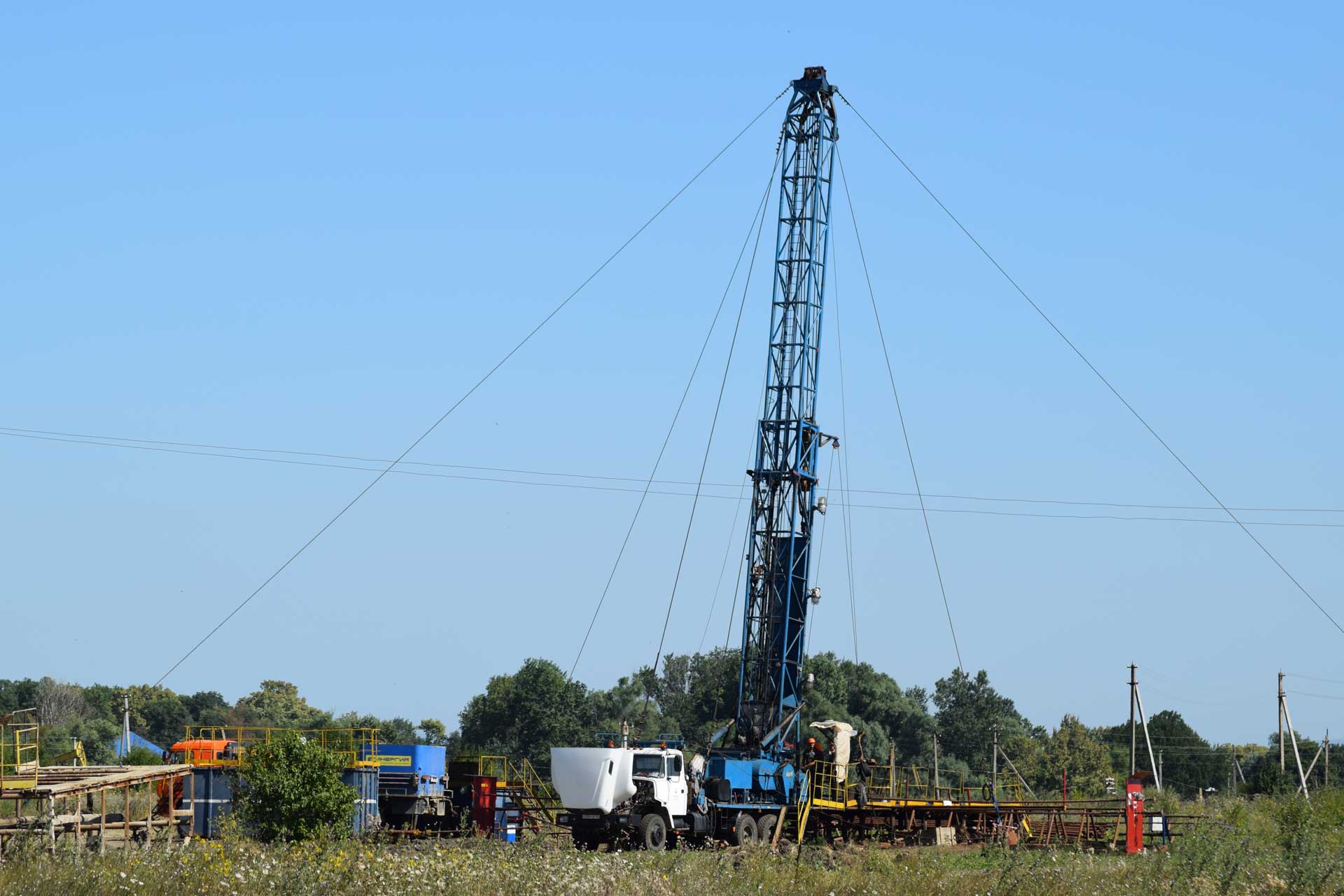
For many Alberta farmers and rural property owners, oil and gas development begins with a phone call.
A company may want to drill a well, build an access road, install a pipeline or construct a facility on private land.
The proposal can sound straightforward. The company needs a relatively small portion of the property and is prepared to compensate the landowner for using it.
But a surface agreement can affect the property for many years.
Before signing anything, Alberta landowners should understand what rights they own, what the energy company is requesting and what can happen if the two sides cannot reach an agreement.
Owning the Land Does Not Always Mean Owning the Oil
One of the most important things to understand about Alberta property is that surface rights and mineral rights can be separately owned.
A farmer may own the surface of a quarter section without owning the petroleum and natural gas beneath it.
The mineral rights may belong to the Alberta Crown or another owner.
An energy company can obtain the right to develop those minerals through a mineral lease, but that does not automatically give the company unrestricted access to privately owned surface land.
Surface access must still be addressed.
This distinction explains why an oil or gas company may contact someone who does not receive royalties from the well.
The landowner may own the surface while somebody else owns the minerals.
What Is a Surface Agreement?
When an energy company needs privately owned land for development, it will normally attempt to negotiate with the landowner.
The resulting written agreement can establish how the company is allowed to access and use the property.
The agreement can address matters extending well beyond the physical location of a well.
Depending on the project, discussions can involve access roads, gates, fencing, drainage, weeds, livestock, construction practices, timing of operations and other concerns specific to the property.
This is why a landowner should think about how the development will interact with the actual operation of the farm or acreage.
Two properties can be affected very differently by similar sized well sites.
Do Not Focus Only on the Payment
Compensation obviously matters, but it should not be the only consideration.
The location of infrastructure can have practical consequences long after construction crews leave.
A poorly positioned access road could interfere with farm equipment.
A site could complicate field operations.
Drainage changes could create problems outside the immediate lease area.
Fencing and gates may matter where livestock are present.
Future access requirements can also affect how the property is used.
A landowner therefore needs to understand exactly what the company intends to construct and how it expects to access the site during both construction and normal operations.
The highest initial payment does not necessarily compensate for an agreement that creates avoidable problems for the property.
Ask Why the Site Was Chosen
Alberta Energy Regulator guidance requires companies proposing energy development to provide affected landowners with information about the project.
That includes information about how and why proposed locations were selected.
Landowners should use that opportunity.
If the proposed well location interferes with an important part of the farming operation, ask whether it can be moved.
If an access road divides a field unnecessarily, discuss alternatives.
If a pipeline route creates a concern, raise it before construction.
The company may have geological, engineering or regulatory reasons for preferring a particular location, so moving infrastructure will not always be practical.
But that does not mean a landowner should assume the first proposal is the only possible configuration.
Surveyors May Arrive Before an Agreement Is Signed
Another point that can surprise Alberta landowners involves surveying.
A survey is commonly required before a company can finalize the location of a well, pipeline, facility or access road.
Under Alberta legislation, authorized surveyors can have rights of entry for surveying purposes.
The AER notes that companies commonly contact landowners before surveying, although the legal ability to conduct a survey should not be confused with permission to begin constructing the energy project.
The company is responsible for damage caused by the survey.
This distinction matters because seeing survey stakes on a property does not necessarily mean the company already has permission to build the proposed development.
What Happens If the Landowner and Company Agree?
Once the parties have reached an agreement, the company still needs the appropriate regulatory approvals.
A private agreement between a landowner and company does not replace the Alberta Energy Regulator’s licensing process.
The AER evaluates applications according to applicable legal and technical requirements.
This creates two separate issues.
One involves the company’s regulatory authority to construct and operate the energy development.
The other involves its right to use the privately owned surface land.
A company may therefore need both regulatory approval and appropriate surface access before proceeding.
Can an Alberta Landowner Simply Refuse?
This is where surface rights become more complicated.
A landowner can negotiate and raise concerns about the proposed development.
However, owning the surface does not necessarily provide an absolute veto over development of subsurface oil and gas rights.
If the parties cannot reach an agreement, dispute resolution options are available.
The AER offers alternative dispute resolution processes that can help companies and affected parties attempt to resolve concerns.
If an agreement still cannot be reached and the company has the necessary regulatory approval, the operator can potentially apply to Alberta’s Land and Property Rights Tribunal for a right of entry order under the Surface Rights Act.
If granted, that order can provide legal access to the land for the approved activity.
The Tribunal can then determine compensation.
This is one of the most important concepts for Alberta landowners to understand before negotiations begin.
A Well Licence Is Not the Same as Surface Access
Another important distinction is that receiving an AER licence does not by itself allow an operator to simply enter private property and begin work.
The AER specifically explains that a licence alone does not provide the company with the right to enter the land when surface access remains unresolved.
The operator still needs the appropriate surface rights.
That can come through an agreement with the landowner or, where applicable, a right of entry order through the Tribunal.
Understanding the separate roles of the AER and the Land and Property Rights Tribunal can make the process much less confusing.
How Does Surface Compensation Work?
There is no useful universal answer to the question of how much every Alberta landowner should receive.
Compensation depends on the circumstances.
Different properties have different agricultural uses, access issues and potential impacts.
The amount associated with one neighbour’s agreement therefore should not automatically be assumed to apply to another property.
Surface arrangements can include compensation associated with the operator’s use of the land and the effects that use has on the owner or occupant.
For landowners negotiating significant or unfamiliar agreements, obtaining independent professional advice can be worthwhile before signing.
The agreement may remain relevant for a long time, while the opportunity to negotiate its original terms occurs before the development is established.
Compensation Can Be Reviewed
An Alberta surface lease does not necessarily establish an annual compensation rate that can never change.
Provincial rules provide a process for reviewing periodic compensation at five year intervals from the effective date of a surface lease or right of entry order.
Either party can seek a review at the appropriate anniversary.
The parties can negotiate the rate.
If they cannot agree, an application can be made to the Land and Property Rights Tribunal to have compensation determined.
For owners who have had oil and gas infrastructure on their property for many years, understanding this review process can be particularly important.
What If the Company Stops Paying?
This is another practical concern, especially when an energy property changes ownership or an operator experiences financial problems.
Alberta has a process for eligible landowners and occupants seeking recovery of unpaid compensation under a surface lease or compensation order.
An application can be made to the Land and Property Rights Tribunal under the Surface Rights Act.
The Tribunal reviews evidence relating to the agreement and unpaid amount.
Depending on the circumstances and its decision, the process can ultimately result in payment being directed through the provincial mechanism established under the legislation.
Landowners should keep their original agreements and records of payments.
Documents that seem unimportant while everything is operating normally can become extremely important years later.
Consider Registering a Private Surface Agreement
Alberta also has a Private Surface Agreements Registry administered by the Alberta Energy Regulator.
Eligible written agreements can be registered with the AER.
Registration can become useful if a landowner later believes the energy company is failing to meet a term or condition contained in the registered agreement.
The landowner can ask the AER to determine whether the company has complied.
If the regulator determines that the company has failed to comply with a registered term or condition, it can issue an order requiring compliance.
This is another reason important promises should be clearly documented rather than left as informal conversations.
Put Important Commitments in Writing
A company representative may make reasonable verbal commitments during negotiations.
Perhaps the company agrees to handle access in a particular way or address a specific concern about the property.
If the issue matters, it should be documented appropriately.
The AER distinguishes between regulatory requirements and private commitments.
The regulator cannot simply enforce every verbal promise made between a company representative and a landowner.
A properly written agreement provides much greater clarity about what each party actually agreed to do.
Memories change.
Company employees change.
Properties change ownership.
Energy assets can also be sold from one operator to another.
Written terms provide a record that can survive those changes.
What Happens When the Well Stops Producing?
A surface lease can remain relevant long after the drilling rig leaves.
The well may produce for years before eventually becoming inactive.
When the well reaches permanent closure, the operator has responsibilities associated with abandonment, decommissioning and reclamation.
Surface equipment that is no longer required generally needs to be addressed.
Environmental assessment or remediation may also be necessary depending on site conditions.
The land must eventually meet Alberta’s applicable reclamation requirements before a reclamation certificate is issued.
This process can take time.
A well stopping production does not mean the lease site immediately disappears.
A Reclamation Certificate Is an Important Milestone
Reclamation deals with restoring the land after energy development.
The objective is not simply to remove visible equipment.
Soil, drainage, vegetation and the future capability of the land can all matter.
Once the applicable requirements have been met, an operator can apply for a reclamation certificate.
The AER reviews reclamation applications and can conduct inspections or audits.
Importantly, Alberta’s current framework also maintains certain responsibilities after certification.
The AER states that companies remain responsible for specified surface reclamation issues for a period after the certificate is issued and remain responsible for contamination and infrastructure left beneath the surface.
Closure therefore involves more than making the property look clean from the road.
What Should a Landowner Ask Before Signing?
The most useful questions are often practical ones.
Where exactly will the well, road, pipeline or facility be located?
How much land will be affected?
How will company vehicles enter the property?
Who maintains the access road?
How will gates and livestock be handled?
How will weeds be controlled?
What happens if equipment damages crops or other property?
What activity should the landowner expect after construction?
Which commitments will appear in the written agreement?
What happens when the facility is no longer required?
These questions can reveal issues that are easy to overlook when attention is focused primarily on compensation.
Oil and Gas Development Can Be a Long Relationship
The most important thing for an Alberta landowner to remember is that a surface lease is not simply a payment for allowing a drilling rig onto the property.
The drilling stage may be relatively short.
The relationship created by the development can last much longer.
Production equipment may remain on the property.
Company personnel may need continuing access.
Ownership of the energy asset can change.
The well may eventually become inactive.
Closure and reclamation can occur years later.
A carefully considered agreement at the beginning can therefore prevent problems far into the future.
For Alberta farmers and rural landowners approached about oil and gas development, understanding the proposal before signing is one of the most important steps they can take.