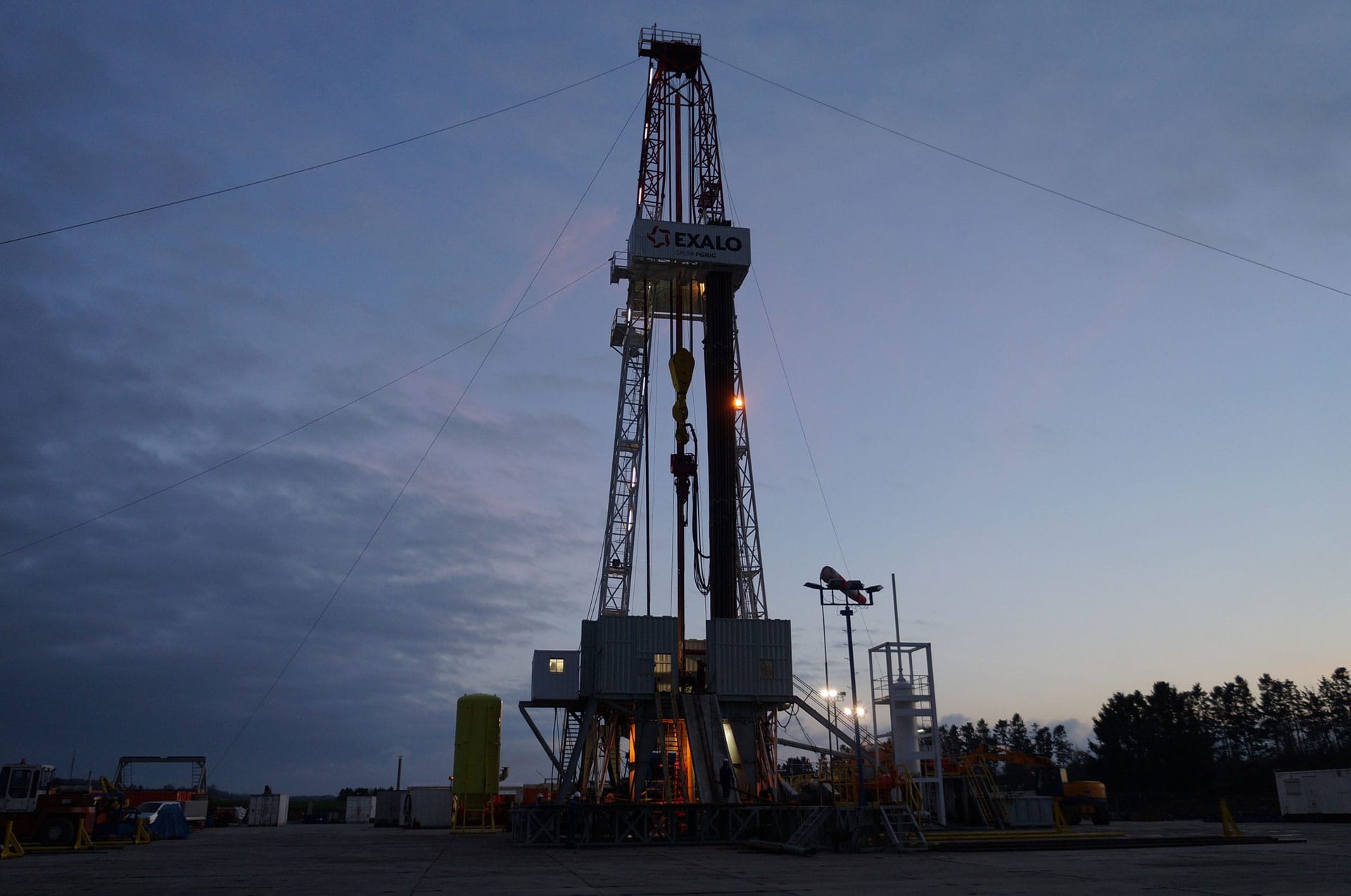
Alberta is home to the third-largest proven oil reserves in the world, with nearly all of those reserves located within the province’s oil sands. Over the past several decades, billions of dollars have been invested in developing mining and in situ projects that now produce millions of barrels of bitumen every day.
Today, Alberta has 8 operating oil sands mining projects and 26 thermal in situ operations, according to the Alberta Energy Regulator.
This guide provides an overview of many of the province’s best-known oil sands projects and the companies that operate them.
What Are Alberta’s Oil Sands?
The oil sands are naturally occurring deposits of bitumen, an extremely heavy form of crude oil mixed with sand, clay and water.
Most of Alberta’s oil sands are located in three major regions:
- Athabasca
- Cold Lake
- Peace River
Depending on the depth of the bitumen, companies recover it using either surface mining or in situ production methods such as Steam Assisted Gravity Drainage (SAGD).
Major Oil Sands Mining Projects
Suncor Base Plant
Operator: Suncor Energy
Located north of Fort McMurray, the Base Plant was the first large-scale commercial oil sands mining operation in Canada.
Today it remains one of Alberta’s largest integrated oil sands operations, producing mined bitumen that is upgraded into synthetic crude oil.
Fort Hills
Operator: Suncor Energy
Fort Hills is one of Alberta’s newest large-scale oil sands mining projects.
Commercial production began in 2018 and the mine continues to be an important contributor to Suncor’s upstream production portfolio.
Horizon Oil Sands
Operator: Canadian Natural Resources Limited (CNRL)
The Horizon project is one of Canada’s largest integrated mining and upgrading operations.
Over the years, CNRL has invested billions of dollars expanding the project, and additional mine expansion projects continue to be evaluated.
Kearl Oil Sands
Operator: Imperial Oil
Kearl is one of Canada’s largest mining operations and is designed without an upgrader, allowing bitumen to be transported after blending with diluent.
The project remains one of Imperial Oil’s most important producing assets.
Mildred Lake Mine
Operator: Suncor Energy
Mildred Lake has played an important role in Alberta’s oil sands industry for decades.
The mine supplies bitumen to Suncor’s upgrading operations and continues benefiting from ongoing equipment modernization and automation initiatives.
Major In Situ Projects
Unlike mining operations, in situ projects recover bitumen from underground without removing large quantities of overburden.
Most modern projects use Steam Assisted Gravity Drainage (SAGD).
Christina Lake
Operator: MEG Energy
Christina Lake is widely recognized as one of Alberta’s most efficient SAGD developments.
The project has earned industry attention for maintaining low steam-to-oil ratios, helping reduce operating costs while improving production efficiency.
Foster Creek
Operator: Cenovus Energy
Foster Creek was one of Alberta’s first commercial SAGD developments.
Its success helped demonstrate that thermal recovery could economically produce deep oil sands deposits that could not be mined.
Christina Lake (Cenovus)
Operator: Cenovus Energy
Located adjacent to Foster Creek, Christina Lake is another flagship Cenovus project and one of the company’s largest producing assets.
Together, Foster Creek and Christina Lake form the backbone of Cenovus’ oil sands production.
Firebag
Operator: Suncor Energy
Firebag is one of Alberta’s largest in situ operations.
The project continues to play an important role in Suncor’s long-term production strategy despite periodic maintenance programs that temporarily affect output.
Jackfish
Operator: Canadian Natural Resources Limited
The Jackfish complex consists of multiple SAGD developments in northeastern Alberta.
Expansion work continues as the company pursues incremental production growth from existing infrastructure.
Blackrod
Operator: International Petroleum Corporation
Blackrod is one of Alberta’s newest oil sands developments.
The first phase achieved first steam in late 2025, with first oil expected during 2026. The initial phase is designed for approximately 30,000 barrels per day, with future expansion potential.
Why These Projects Matter
Oil sands projects represent some of the largest industrial investments in Canadian history.
Collectively they support:
- Tens of thousands of direct and indirect jobs.
- Billions of dollars in annual exports.
- Significant provincial royalty revenues.
- Long-term contracts for Alberta engineering, construction and oilfield service companies.
Because these projects typically operate for several decades, they continue generating economic activity long after initial construction is complete.
The Future of Alberta’s Oil Sands
Most companies are no longer pursuing rapid production growth.
Instead, the industry’s focus has shifted toward:
- Improving operational reliability.
- Lowering production costs.
- Reducing greenhouse gas emissions.
- Expanding automation.
- Increasing energy efficiency.
- Developing carbon capture technologies.
Major operators continue investing in existing facilities while evaluating brownfield expansions that can increase production using existing infrastructure.
Although commodity prices will continue to fluctuate, Alberta’s oil sands remain one of the world’s most significant long-life petroleum resources and will continue playing a major role in Canada’s energy industry for decades to come.